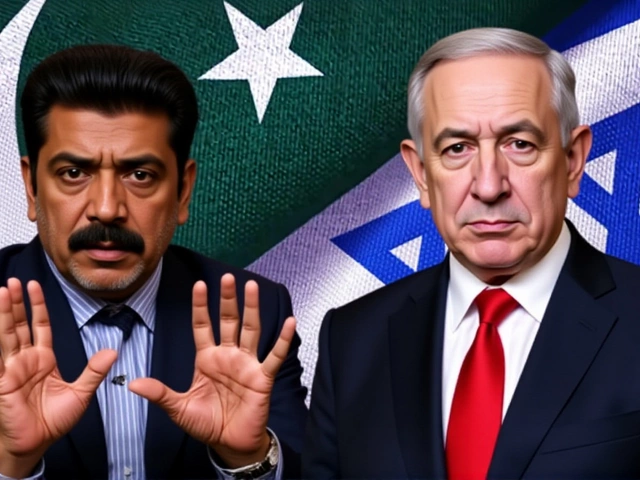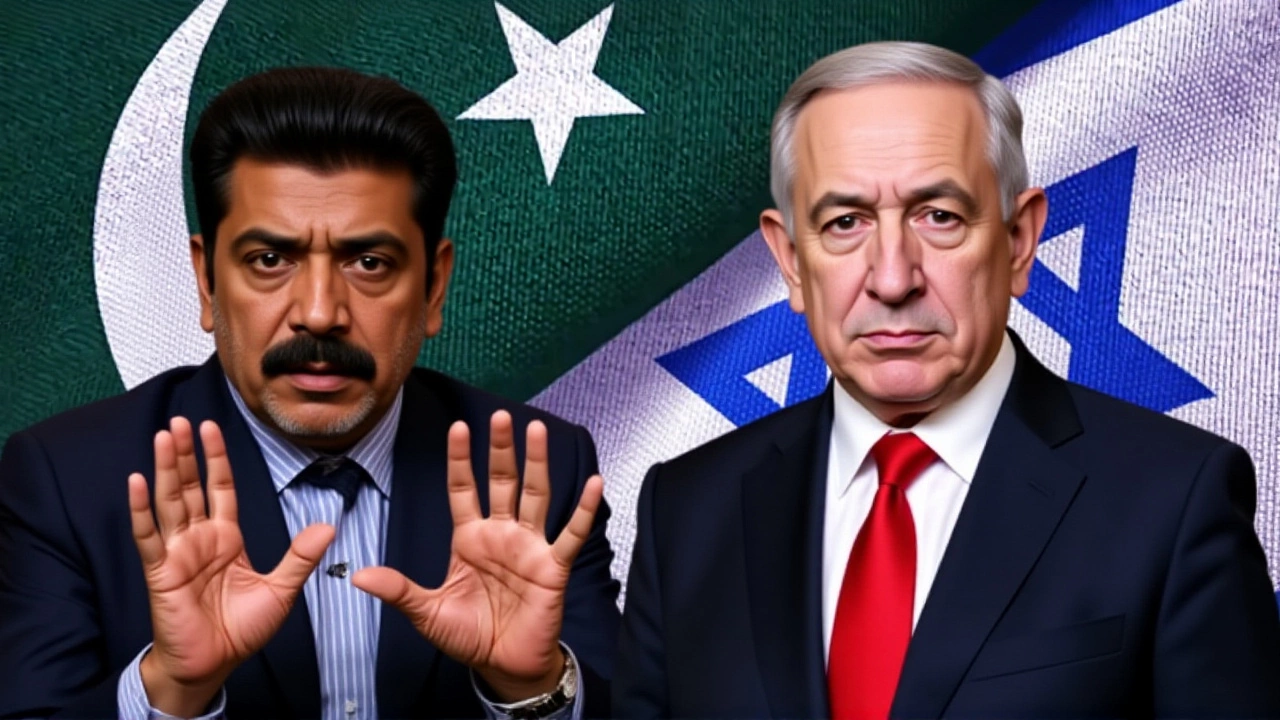
It’s rare for diplomatic language to get this blunt. Reuben Azar, Ambassador of Israel to India, didn’t mince words recently when addressing the relationship between his country and its western neighbor. "We don't trust Pakistan," he stated plainly. "Pakistan promotes terrorism. We have complete faith in America." The statement, delivered during a media appearance in New Delhi, cuts through decades of quiet hostility and formal non-recognition between the two nations.
The remarks come at a time when regional tensions are high, with ongoing conflicts in Gaza and Lebanon dominating global headlines. But while most eyes are on the Middle East, this verbal exchange highlights a deeper, colder rift that has existed since Pakistan voted against the United Nations Partition Plan for Palestine in 1947. Since then, Islamabad has refused to recognize Jerusalem as a sovereign state, tying its foreign policy tightly to the Palestinian cause.
A History of Cold Shoulders
Here’s the thing: these two countries have never had formal diplomatic ties. In fact, they’ve spent the last 75 years operating in opposite corners of the geopolitical chessboard. Pakistan sees itself as a champion of Muslim rights globally, particularly regarding Palestine. Israel views Pakistan not just as a non-recognizer, but as an active security threat due to alleged support for militant groups.
This isn’t new posturing. It’s a continuation of a long-standing stance. For decades, any hint of normalization from Islamabad was quickly walked back under domestic pressure. The Pakistani establishment knows that acknowledging Israel would be political suicide at home. So, the status quo remains: no embassies, no trade agreements, and now, increasingly harsh public rhetoric.
The Social Media Backlash
But wait—there’s more drama than just Azar’s comments. Just before this statement gained traction, Khawaja Asif, Defense Minister of Pakistan, found himself in a digital firestorm. He posted a message on social media comparing Israel to "cancer" and labeling it a terrorist entity. Within hours, after facing intense backlash and potential diplomatic fallout, the post was deleted.
It’s a classic case of saying something inflammatory and then scrambling to clean up the mess. Analysts suggest Asif may have been testing the waters or reacting to domestic nationalist sentiment. However, the quick deletion suggests panic. Did he fear Israeli retaliation? Or was it pressure from within his own government? The details are still unclear, but the incident underscores how fragile and volatile these relations truly are.
Diplomatic Double Standards?
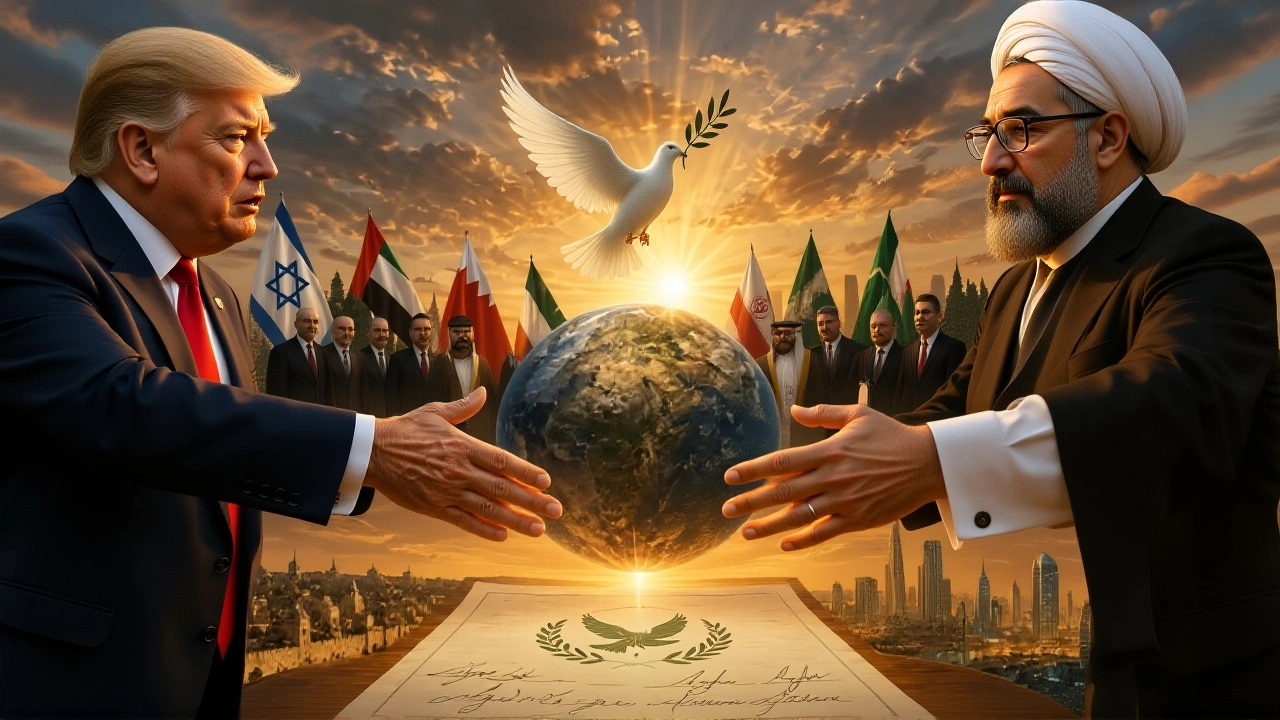
The twist is even more complex. Reports indicate that Pakistan had positioned itself as a potential mediator between the United States and Iran, aiming to play a neutral role in de-escalating regional tensions. Yet, simultaneously, its top officials were calling Israel names online. This contradiction hasn’t gone unnoticed by international observers.
Critics argue that you can’t claim to be a peacemaker while publicly demonizing one of the key players in the conflict. By labeling Israel a terrorist state, Pakistan undermined its credibility as a neutral broker. Meanwhile, Israel’s response—via Ambassador Azar—was swift and uncompromising. It sent a clear message: we know who you really are, and we’re aligning ourselves firmly with Washington instead.
Why This Matters Now
So why does this matter beyond the soundbites? Because it reflects a broader shift in Middle Eastern dynamics. With Arab nations like the UAE and Bahrain normalizing ties with Israel through the Abraham Accords, Pakistan finds itself increasingly isolated. Its refusal to engage diplomatically is seen less as principled solidarity with Palestinians and more as ideological rigidity.
Furthermore, Israel’s emphasis on trusting America over Pakistan signals a strategic pivot. As U.S.-Israel cooperation deepens militarily and technologically, Islamabad’s influence diminishes. If Pakistan wants to remain relevant in regional security discussions, it needs to rethink its approach. Continuing down the path of rhetorical aggression only pushes allies further away.
What Comes Next?
Looking ahead, don’t expect sudden handshakes or peace treaties. The gap between these two nations is too wide, rooted in history, ideology, and mutual distrust. However, watch for subtle shifts. Will Pakistan soften its tone if economic pressures mount? Will Israel continue to call out Pakistan publicly, or will it focus solely on military deterrence?
One thing is certain: the era of silent disagreement is over. Both sides are now speaking loudly, clearly, and without apology. And in today’s interconnected world, those words carry weight—even if they lead nowhere.
Frequently Asked Questions
Why doesn't Pakistan recognize Israel?
Pakistan has refused to recognize Israel since 1948, citing its support for the Palestinian right to self-determination. Officially, Islamabad maintains that recognizing Israel would betray the Palestinian people. Domestically, any move toward normalization faces fierce opposition from religious and political groups, making it politically unviable for leaders.
Who is Reuben Azar and what is his role?
Reuben Azar serves as the Ambassador of Israel to India. In this capacity, he represents Israeli interests in South Asia, fostering bilateral relations with New Delhi. His recent comments about Pakistan reflect official Israeli positions on regional security threats and alliance priorities, particularly emphasizing trust in the U.S.-Israel partnership.
Did Khawaja Asif really compare Israel to cancer?
Yes, according to multiple news transcripts, Defense Minister Khawaja Asif posted a message describing Israel as "cancer" and a terrorist entity. The post was later deleted following significant controversy. While the exact wording may vary across reports, the core sentiment remained consistent: strong condemnation of Israeli actions and policies.
How does this affect India-Israel-Pakistan relations?
India enjoys strong defense and technological ties with Israel, often bypassing traditional Western suppliers. Pakistan’s hostile rhetoric reinforces India’s alignment with Jerusalem, creating a triangular dynamic where New Delhi benefits strategically. Meanwhile, Pakistan risks further isolation as Israel strengthens partnerships elsewhere in Asia.
Is there any chance of future normalization?
Currently, prospects look slim. Without major changes in domestic politics or regional stability, neither side appears ready to compromise. Pakistan lacks incentive to change course given internal pressures, while Israel sees little value in engaging with a nation it labels a terror sponsor. Any breakthrough would require unprecedented leadership courage.