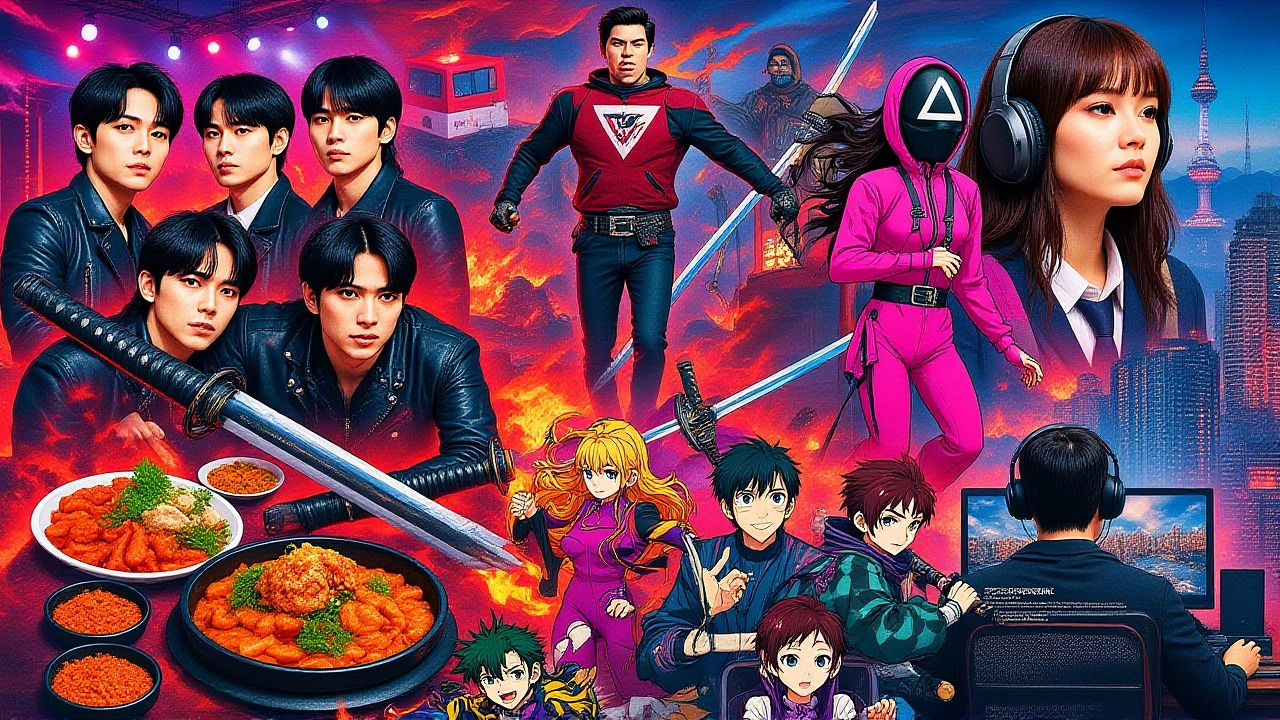
It’s a trend that has swept from Ghaziabad to living rooms across the country. On February 4, 2026, a heartbreaking incident in Uttar Pradesh thrust the global phenomenon of the "Korean Wave" into sharp, somber focus. Three sisters—Nishika (12), Prachi (14), and Pakhi (16)—died by suicide together at their residence in Bharat City Society. While police investigations are ongoing and have not confirmed any direct link to online games or cultural content, media reports have sparked a national conversation about the influence of Korean pop culture on Indian youth.
Here’s the thing: this isn’t just about one tragic event. It’s about a massive cultural shift. From the music of BTS to the suspense of Squid Game, South Korea’s soft power is reshaping how Generation Z lives, dresses, and thinks. But with great influence comes great scrutiny. Is this cultural exchange purely positive, or are there hidden dangers lurking in the digital dark corners?
The Tragedy That Sparked the Debate
The incident in Ghaziabad was devastating. The three sisters were found dead in their home, an event that immediately drew attention due to rumors linking it to online gaming trends. However, it’s crucial to separate fact from speculation. Local law enforcement agencies have stated clearly that no verified "death game" instructions were found on the girls’ devices. The investigation remains open, focusing on mental health factors and family dynamics rather than blaming external cultural imports.
Yet, the narrative stuck. Why? Because for many parents and educators, the rapid adoption of foreign digital habits feels overwhelming. They see hours spent streaming K-dramas or engaging in online fan communities and worry about the balance between entertainment and reality. As one local resident told reporters, "We don't understand what they're watching or playing. It feels like a different world."
What Exactly Is the 'Korean Wave'?
To understand the concern, we need to define the phenomenon. The "Hallyu" or Korean Wave is a multi-dimensional cultural export that includes:
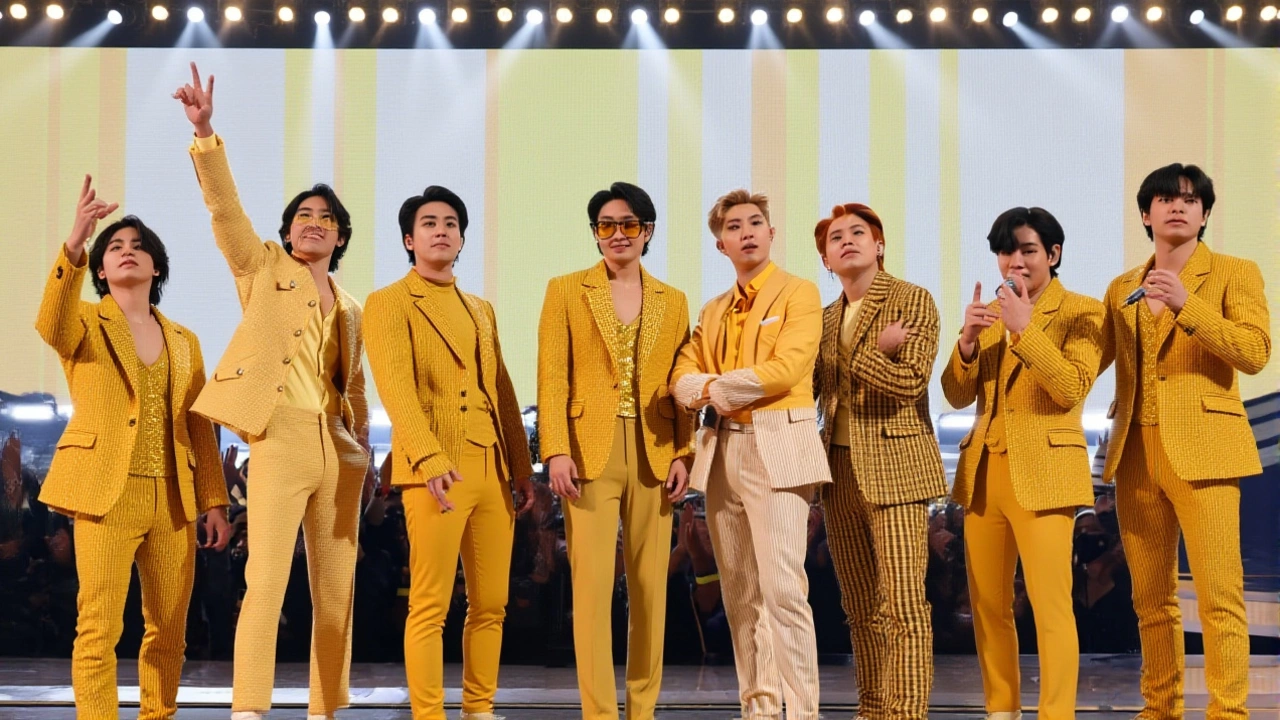
- K-Pop Music: High-energy performances and intricate choreography led by groups like BTS and Blackpink.
- K-Dramas and Films: Story-driven narratives like Parasite and Train to Busan that blend emotion with high production values.
- Digital Lifestyle: Online gaming, fashion trends, and beauty standards that dominate social media feeds.
This isn’t just passive consumption. It’s active participation. Fans create art, organize charity campaigns, and learn the language. According to recent data, over 30% of Indian Gen Z consumers cite Korean culture as a primary influence on their fashion choices. That’s a significant chunk of the market.
The Digital Community Connection
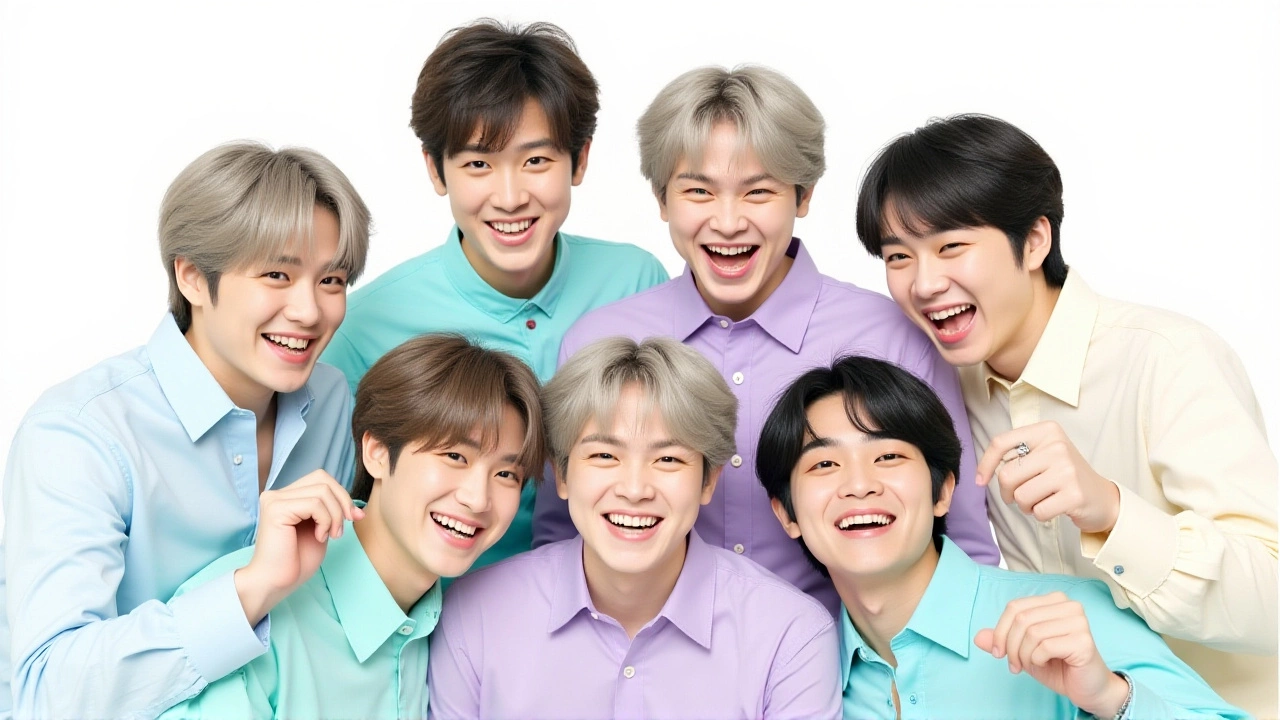
One of the most powerful aspects of this wave is the sense of belonging it fosters. Online communities around shows like Squid Game are intense. Users discuss theories, share memes, and support each other emotionally through virtual interactions. For teenagers seeking identity and connection, these spaces can be incredibly validating.
But wait, there’s a flip side. When these digital bonds become too strong, they can isolate young people from their physical surroundings. Experts warn that excessive immersion in online worlds can blur the lines between fantasy and reality, especially for vulnerable minds. This doesn’t mean Korean culture is "toxic," but it does highlight the need for digital literacy and balanced screen time.
Expert Perspectives on Cultural Impact
Dr. Anjali Mehta, a psychologist specializing in adolescent behavior, notes, "Cultural trends themselves aren’t harmful. The issue arises when engagement replaces real-world responsibilities and emotional regulation." She emphasizes that while BTS’s messages often promote self-love and resilience, the algorithmic nature of social media can also push users toward darker, more extreme content if not monitored.
On the economic front, the impact is undeniable. Brands are increasingly partnering with Korean influencers to reach Indian audiences. A 2025 report by Nielsen indicated a 45% year-on-year increase in searches for Korean skincare and fashion products among users aged 18-24 in India. This commercial boom underscores how deeply embedded this culture has become in daily life.
Looking Ahead: Balance and Awareness
As the investigation in Ghaziabad continues, the broader lesson for families and policymakers is clear. We cannot banish culture, nor should we demonize it. Instead, we must foster open dialogues about digital consumption. Parents need to understand what their children are watching; schools need to teach critical thinking about online content.
The Korean Wave is here to stay. It’s reshaping tastes, driving economies, and connecting millions. The challenge isn’t stopping the wave, but learning to swim safely within it. With proper guidance and awareness, Indian Gen Z can enjoy the best of this global cultural exchange without losing sight of their own well-being.
Frequently Asked Questions
Did Korean culture directly cause the suicides in Ghaziabad?
No. Police investigations have not found any evidence linking the deaths to specific online games or instructions from Korean cultural content. The case is being treated as a complex mental health incident, and authorities caution against jumping to conclusions based on media speculation.
What is included in the 'Korean Wave'?
The Korean Wave, or Hallyu, encompasses a wide range of cultural exports including K-Pop music (like BTS), television dramas (like Squid Game), films (like Parasite), fashion, food, and digital gaming. It represents a holistic lifestyle influence rather than just entertainment.
How is Korean culture affecting Indian Gen Z?
It is significantly influencing their fashion choices, music preferences, and social interactions. Many young Indians participate in online fan communities, learn Korean phrases, and adopt beauty standards popularized by Korean stars. This creates a strong sense of global identity but also raises concerns about screen time and digital isolation.
Are there risks associated with online gaming trends?
While most gaming is harmless fun, experts warn that unmonitored access to online platforms can expose vulnerable teens to harmful content or peer pressure. The key risk is not the game itself, but the lack of balance between digital engagement and real-life emotional support systems.
What should parents do to manage this influence?
Parents should engage in open conversations about what their children consume online. Understanding the content helps identify potential red flags. Encouraging balanced screen time and fostering strong offline relationships can help mitigate any negative impacts of digital immersion.